The Courtesy Clause: When Free Samples and Goodwill Shipments Become Unpriced Liabilities

Photo: business handshake warehouse product samples boxes, via thumbs.dreamstime.com
Every seasoned buyer knows the rhythm of American commerce: the lunch meeting, the factory tour, the box of samples waiting at reception when you return to the office. These gestures grease the wheels of B2B relationships, and few would argue they should disappear.
But somewhere between the handshake and the loading dock, a quiet problem emerges. The transactions that feel too small to formalize—sample shipments, goodwill replacements, trial purchase orders, consignment inventory sitting in a distributor's warehouse—are precisely the transactions most likely to slip past the controls that govern everything else your company does.
The Transaction That Officially Never Happened
Consider a scenario playing out in industrial parks from Ohio to Georgia every week. A supplier ships $40,000 of components as "samples" so an engineering team can validate fit and finish. No PO is cut. The freight terms are ambiguous. The receiving warehouse logs it inconsistently—maybe under a memo code, maybe not at all.
Then the product fails in a customer application. Suddenly, questions with real dollar signs attached need answers: Who owned the material while it was being tested? Whose insurance responds if the failure traces back to a defect? Was the transfer a sale, a loan, or a bailment? Each characterization carries different tax, liability, and revenue-recognition consequences—and because nobody documented intent, every party now has an incentive to argue for the interpretation that costs them least.
What was a courtesy has become a dispute, and disputes are never free.
Where Informal Exchanges Bite Hardest
The exposure compounds across four familiar categories:
Free samples. Beyond the obvious cost, samples create questions of title transfer, product liability, and—less obviously—state-level use tax. Several states treat sample goods differently for tax purposes, and "free" rarely means free once compliance teams get involved.
Trial purchase orders. A "trial" PO often carries the same legal weight as a standard one, but with expectations that were never negotiated. If the trial fails, who eats the tooling? The freight back? The obsolescence cost of inventory built against an order that never converted?
Consignment stock. Inventory sitting on a customer's or distributor's floor remains the supplier's property on paper, but the supplier typically has no visibility into how it's stored, handled, or insured. When that inventory is damaged, stolen, or used without authorization, the paperwork gap becomes a recovery problem.
Goodwill replacements. The expedited replacement shipment sent to keep a customer happy is often the single most expensive untracked line item in a logistics budget—and it establishes a precedent that the next negotiation will reference.
A Framework for Formalizing Without Frosting Over
The instinct in many organizations is to ban informal exchanges outright. That instinct is wrong, and worse, unenforceable. Relationship-building through small gestures is a legitimate commercial function. The goal is not elimination; it is documentation at a level proportionate to the risk.
Start with a threshold-and-template approach:
-
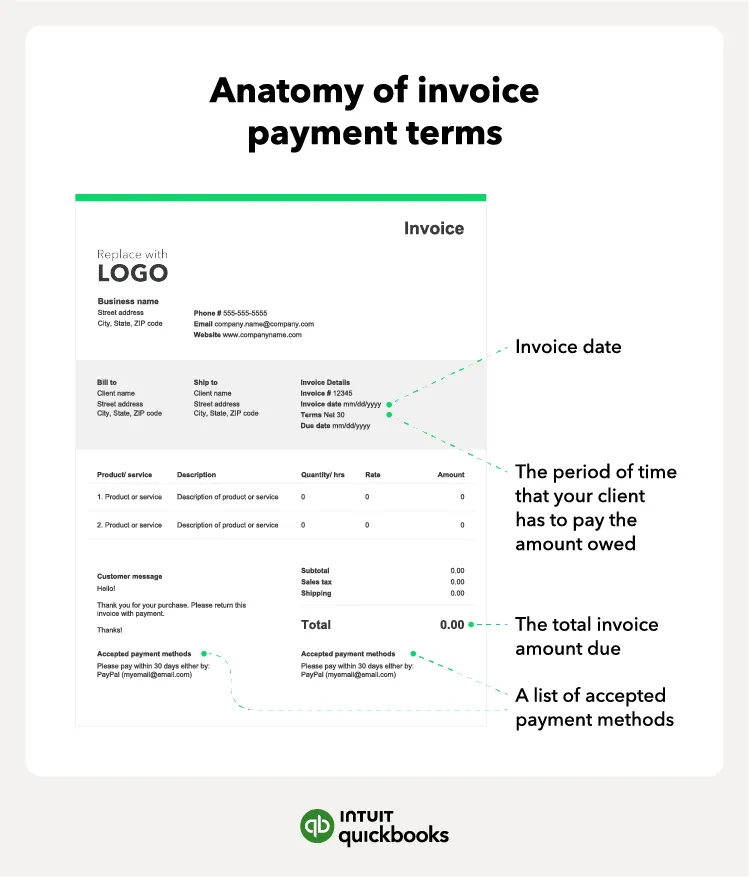
Define a courtesy threshold. Below a set value—say, $2,500 in goods and $1,000 in freight—exchanges can proceed through a lightweight courtesy form: what's shipping, to whom, who bears title, who insures it, and the conditions under which it converts to a billable transaction or must be returned.
-
Characterize every transfer. One sentence—"title transfers on delivery" or "goods remain supplier property under bailment"—resolves most downstream disputes before they exist. Legal can pre-approve two or three standard characterizations so no one needs counsel for a sample shipment.
-
Close the loop on trials. Every trial PO should carry a defined evaluation window, acceptance criteria, and a disposition clause: convert, return, or purchase at a pre-agreed price. Ambiguity here is where tooling costs and inventory write-offs breed.
-
Audit consignment annually. If inventory sits anywhere other than your own four walls, someone should physically count it and reconcile it against records at least once a year. Most companies discover discrepancies in the first cycle.
-
Track goodwill in aggregate. A single replacement shipment is noise. A pattern is a signal—either of a quality problem, a pricing problem, or a negotiation posture you're funding without realizing it.
Small Gestures, Grown-Up Paperwork
None of this requires killing the warmth out of commercial relationships. A supplier who ships samples still ships them; the buyer still gets their box at reception. What changes is that a two-page form now travels alongside, and both companies' finance, legal, and insurance functions can see the transaction that officially, finally, exists.
The businesses that thrive on platforms built to connect buyers and sellers understand this instinctively: commerce works best when every exchange—no matter how small—has a record, a characterization, and an owner. Courtesies can remain courtesies. The liabilities shouldn't be surprises.